Room details, booking conditions and the total price can all affect whether a casino hotel suits a Melbourne stay.
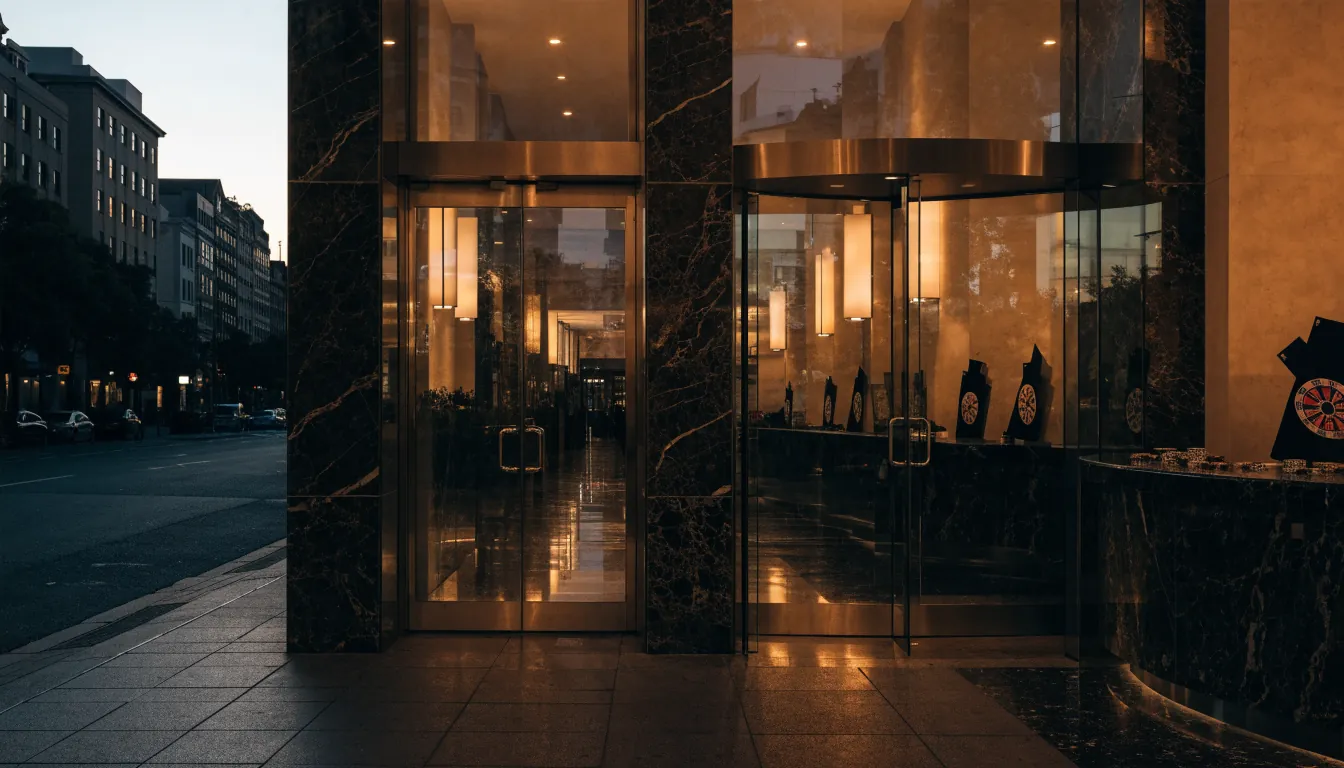
A casino hotel can sound like the simplest option: book a room, stay close to the venue, and avoid turning the evening into a logistics exercise. But the label “casino hotel” does not tell you what the room includes, what the total stay will cost, or whether a deal suits your plans. I’d treat the name as a starting point, not a reason to book.
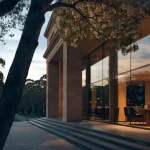
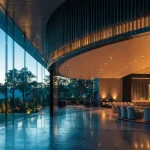
When comparing Melbourne casino hotel rooms, start with the actual room description. Check the room type, bed arrangement, occupancy, and any stated view or other feature. Look for what is explicitly included, rather than assuming that a photograph or a promotional headline covers it. If something matters to you and the listing is vague, ask the property before paying. A clear answer is worth more than a glossy picture.
Then work through the price. A deal can look better than the standard rate while leaving out conditions that change whether it works for your stay. Read the booking terms for payment timing, cancellation rules, changes, and any charges that may be added. Compare the total shown for the dates you want, not just a headline figure. I’ve learned that “special” is a sales word, not a description of how flexible a booking is.
If you’re choosing an online casino while in Melbourne, check the available licensing and payment details before deciding where to play. This list gives you a concise reference to what is known about each operator.
JustCasino
JustCasino is listed with a licence from the Curacao Gaming Control Board.
Kingmaker
Kingmaker lists crypto payouts at about 90 minutes and fiat payouts at 1–5 days. The minimum deposit is A$30.
SpinsUp
SpinsUp lists a Curacao Gaming Control Board licence, OGL/2023/174/0082, held by Dama N.V.
DragonSlots Casino
DragonSlots Casino lists a Curacao Gaming Authority licence held by Jumpman Gaming Ltd.
House of Pokies
House of Pokies lists an international iGaming licence, though the jurisdiction is not named. PayID payouts are listed at 1–24 hours; the minimum deposit is A$30, or A$10 with PayID.
Bizzo Casino
Bizzo Casino lists a Curacao Gaming Control Board licence held by TechSolutions Group N.V.
LevelUp Casino
LevelUp Casino lists a Curacao eGaming licence, OGL/2023/174/0082, held by Dama N.V. Its minimum deposit is A$15.
Golden Pokies
Golden Pokies is listed with a Curacao licence.
SkyCrown
SkyCrown lists a Tobique Gaming Commission licence. Its stated payout times are about 10–15 minutes for crypto and 1–5 days for fiat, with a A$30 minimum deposit.
Ricky Casino
Ricky Casino lists crypto payouts in under an hour and PayID payouts in 1–3 business days. The minimum deposit is A$20, or A$30 to qualify for the bonus.
Check the dates and the room details together. A rate may apply only to particular dates or room types, and availability can change as you move through a booking. Make sure the final selection still matches what you intended before confirming. If you are travelling with someone else, check that the occupancy and bed setup fit both of you; don’t rely on an assumption based on the room’s name.
A useful comparison is less about collecting offers and more about putting like against like. For each option, note the room type, what is included, the full price presented at checkout, and the conditions for changing or cancelling. If one listing gives little detail, that is not proof that the room is poor. It is a reason to get clarification before making a decision. Keep the answer somewhere you can refer back to.
The phrase “Melbourne casino hotel deals” can also blur two separate questions: whether the room is suitable and whether the offer is good for your circumstances. A package or promotional rate is only useful if its conditions match your plans. Check whether it requires a particular booking period or has restrictions, and read the terms rather than relying on a short banner. If you would not choose the room without the promotion, pause and compare the underlying details.
For a casino hotel in Melbourne, I would also confirm that the booking is for the property and dates you mean. Similar wording across listings can make it easy to skim past a distinction. Check the property name, address shown on the booking, arrival and departure details, and the contact route provided by the seller. If you are booking through a third party, make sure you understand who handles changes or questions about the reservation.
 Casino in Perth: Crown Perth Stay and Visit GuideExplore Crown Perth room rates, booking conditions, nearby stays, transport, dining and on-site queries, with a focus on checking inclusions before booking.
 Casino in Tasmania: Hotels, Facilities and Visit DetailsLearn how to check whether a casino hotel is on-site, what a booking deal covers, and which facilities and visit details to…
Don’t use room availability as a substitute for checking whether the casino itself is open when you plan to visit. Hotel reservations and venue hours are separate details, and neither should be inferred from the other. Confirm the schedule directly with the venue before building plans around it.
My rule is plain: book the room you can describe back to someone else, at a total and under conditions you understand. If the offer depends on fine print you have not checked, it is not a bargain yet. It is an unanswered question.
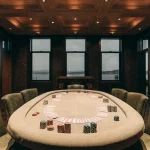
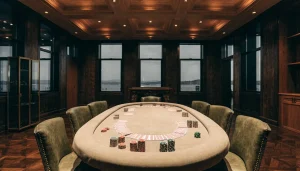
“Casino rooms” can mean several quite different things. Someone may be looking for a hotel bedroom, a gym or another facility; someone else may mean a dedicated room for playing poker. The phrase alone doesn’t tell you which one, and a venue name beside it doesn’t settle the question either. I’ve learned to pause before treating a familiar-sounding label as proof of what’s inside.
Poker is also easy to confuse with pokies. Poker is a card game; pokies are electronic gaming machines, known in the industry as Electronic Gaming Machines (EGMs). A search for poker at a casino might be about a table game, a room where players compete against one another, a scheduled tournament or simply the word “poker” appearing in general venue information. Those are different things to check.
Electronic gaming machines (EGMs), which are distinct from card games like poker.
A dedicated poker area and a poker tournament are not interchangeable. A room could refer to a place for cash games, while a tournament is a particular organised competition with its own registration, format and schedule. Neither description, by itself, tells you whether a game is running when you plan to visit.
Before making the trip, look for information that answers the practical questions plainly: Is poker offered in person? Is the game available on the day you want to go? Does the venue list a tournament separately from regular play? Are there registration conditions or other entry requirements? If the details are vague, contact the venue directly rather than relying on an old directory listing or a search snippet. Schedules and arrangements can change.
The word “tournament” can sound more definite than it is. A past event listing doesn’t establish that another one is scheduled, and a general poker page doesn’t necessarily mean there’s a tournament underway. Check the date attached to the information. Small detail, big difference.
When you see “casino rooms”, read the surrounding words before assuming it means accommodation. If the page mentions beds, check-in or room types, it is about a stay. If it refers to poker tables, cards or player registration, it means a gaming area. A mention of a gym points to a fitness facility, not a poker room. Similar wording, completely different plans.
I used to skim a page, spot the word I wanted and fill in the rest myself. That’s how you end up expecting one thing from a phrase that was describing another. Now I check the page title and the details underneath it. No guesswork.
 Brisbane Casino Stays: Rooms, Deals and What to CheckCompare casino stay options and learn what to verify before booking, including whether the room is on the casino property and what…
 Casino in Victoria: Stay, Games and Practical ChecksCompare the hotel and casino separately, check what a deal actually includes, and understand what online casino searches can establish in Victoria.
The same goes for a sports bar linked in a venue listing. A sports bar is not evidence of poker, and a poker listing is not evidence of a bar. If you’re planning your visit around watching sport, check that the specific bar exists, is open to visitors and is showing what you want to see. Don’t infer any of that from a casino label or an old photograph.
If you’re asking whether a poker room or sports bar is open today, use current information from the venue rather than assuming its usual schedule applies. “Open now” can be misleading when a listing is stale or when different parts of a venue operate on different schedules. Confirm the relevant area, not just the building in general.
For tournament plans, check the event date and registration instructions close to your visit. For general poker, make sure the information actually describes in-person play, rather than a game category or an unrelated page. And if “rooms” brought you here, decide first whether you mean somewhere to sleep, a fitness space or poker. That one distinction saves a lot of wasted scrolling.
A trip to a casino in Melbourne and gambling online are two separate plans, even when the wording people use blurs them together. If you’re driving, sort out the parking question before setting off: check the venue’s current directions, car-park arrangements, fees, entry points and any conditions that matter for your visit. If valet parking is important, confirm that it is operating on the day rather than relying on an old listing. “Free parking” can also come with conditions, so check what applies before you leave the car.
Legal Warning
Under the Interactive Gambling Act, Australian-based operators cannot legally provide real-money online casino games such as pokies, blackjack, or roulette to people in Australia.
I’ve learned not to treat a parking label as the whole story. A listing may not tell you whether spaces are available when you arrive, whether a booking is needed, or whether access changes during an event. Those are practical details worth confirming directly with the venue. Keep a backup transport option in mind if parking is essential to your plan. Less stress.
The word “online” changes the subject. Under the Interactive Gambling Act, operators based in Australia cannot provide real-money online casino games such as pokies, blackjack or roulette to people in Australia. A website that looks like an online version of a Melbourne venue is not the same thing as visiting its physical premises, and the name or branding alone does not tell you what legal protections apply.
Offshore platforms sit in a different position: Australian players are not generally criminalised simply for using them, but those platforms are not regulated under Australian law. That matters if something goes wrong. The familiar appearance of a site does not make it a locally regulated casino, and you should not assume you have the same protections or a straightforward local avenue for resolving a dispute. I wouldn’t treat a polished website as proof of safety.
Sports betting is a separate category and remains widely accessible and legal in Australia. That distinction does not turn online casino games into a lawful service from an Australian operator. If a site bundles casino games and sports wagering together, look carefully at what service you are actually being offered rather than assuming the rules are identical.
Queries about bingo or dining can also point in different directions: someone may mean an activity or meal at a physical venue, not a casino game offered online. Check the specific service and where it is provided. A venue visit is about getting there and confirming practical arrangements; an online casino is a question of gambling law and operator status. Same city. Different rules.
I’ve made the mistake of letting a convenient label do too much work for me. It doesn’t. Before travelling, confirm parking details through the venue’s current official channels. Before engaging with any gambling service, identify whether it is a physical venue, sports betting or online casino-style gambling, and don’t assume one category inherits another’s legal status. If gambling is part of the visit, set a session budget you can afford and don’t raise your bets to try to recover losses. Stop when that budget is gone.
When I look for a place to stay near a casino, I’ve learned not to treat “nearby” and “part of a deal” as the same thing. A hotel may be close enough for your plans without being connected to the venue, and a promotional headline can make an ordinary booking sound like a package. Read what is actually included before you pay.
Start by checking the property’s own listing, not just a booking page’s summary. Confirm the address on a map and work out the route you would take to the casino. A short distance on screen can feel different on foot, especially if you are arriving late or carrying bags. If you expect to drive, check parking separately: whether it is available, whether it costs extra, and whether you need to reserve it. Don’t assume a nearby hotel provides a space or that venue parking is part of your stay.
Then look closely at the room rate and its conditions. Check the dates, cancellation rules, payment timing and any extra charges shown before checkout. If the offer says “casino accommodation deal”, find the actual terms: does it include a room only, or is anything else specified? If the wording is vague, ask the property to confirm in writing. I’ve been caught out by treating a bright label as a promise. It isn’t.
Casino promotions are another thing to keep separate. A promotion associated with gaming does not automatically reduce the cost of accommodation, and a hotel offer does not necessarily include casino benefits. Before booking on that assumption, check who is making the offer, which dates it covers, what you must do to qualify, and whether the benefit is confirmed in your reservation. If you cannot see those details clearly, price the stay without the promotion and decide whether it still works for you.
For a Melbourne stay, compare nearby properties by the practical details that matter to your trip: location, route, transport options, parking terms and booking flexibility. Don’t choose on a claimed saving alone. A cheaper headline rate can lose its appeal once conditions or add-ons appear at checkout. I now take a screenshot of the offer and the final booking summary, so I can see exactly what I agreed to.
It is also worth checking that the listing refers to the venue you intend to visit, rather than relying on a broad label such as “casino nearby”. Match the venue name and map pin, then confirm the journey from the accommodation. If you are coordinating a group, share the booking terms and arrival plan before anyone pays; assumptions multiply quickly when several people are involved.
Keep the decision simple: confirm the property, route and total terms, and get any promised inclusion in writing. The word “deal” is just wording until the booking details back it up. Check first. Book second.
A venue’s contact number, map pin and social pages can look straightforward until they point to different details. I’ve learned not to treat the first result as the final word. Before setting off, check that the contact information comes from the venue’s own current channels, then use those same channels to confirm the detail you actually need. A number copied onto an old directory page may not tell you whether a bar is open, a table game is available or a concert is happening.
Be specific when you call or send a message. If you want to know about baccarat or craps, ask whether the game is offered at the time you plan to visit and whether access has any conditions. Don’t assume a game is available just because it appears in a general description of casino entertainment. The same goes for a bar: ask which venue or area you mean, whether it is operating on your intended date, and whether there are entry requirements. “Open” can mean different things when a large venue has several spaces.
That quick check is less glamorous than a glossy listing. It is also more useful.
Verify contact information through the venue's own official channels rather than relying on third-party directories, which may be outdated.
For contact details, look for consistency across official pages rather than trusting a number repeated across unrelated directories. If you cannot tell whether a page is official, do not share personal information or rely on it for time-sensitive arrangements. A contact form should make clear which organisation receives your message. Keep your question narrow, and save any reply that confirms a practical detail.
A map pin helps you understand where a venue is, but it may not answer which entrance to use or where a particular area is. Check the map against the venue’s own directions, especially if you are meeting someone or arranging a pickup. If you are asking about the car park, confirm the current access and any relevant arrangements directly; a map marker alone cannot establish those details. I would not plan around a third-party comment that might describe an older layout.
Concert listings need the same care. An event mentioned on a ticketing page or social post should be checked against the organiser’s current information before you make plans. Confirm the venue, date and entry details from the event’s own listing. A general entertainment page is not a guarantee that a particular performance is scheduled, and an old announcement can keep circulating long after plans change.
For a Melbourne casino visit, I’d treat contact, bar, table-game and concert information as separate checks rather than assume one page answers everything. Make the call before travelling if the detail matters. It saves the awkward arrival where the place you expected to find is somewhere else—or not part of your plan at all.
“Buffet breakfast” sounds like a simple promise: arrive, sit down and eat. In practice, that label leaves plenty unanswered. Before planning a morning around a Melbourne casino breakfast, check the venue’s own current information for whether breakfast is being served, where it is available, and whether booking or advance payment is required. A buffet and a standard breakfast service are not the same thing, so look for the actual format rather than relying on a search-result snippet.
I’ve learned not to treat a polished label as a plan. “Resort” describes a type of destination; it doesn’t tell you what is open, included or available on the day you visit. If you’re considering a casino resort in Melbourne, confirm breakfast arrangements directly before travelling. Check that the details apply to your intended date and that any stated offer covers the people in your booking. A page that mentions breakfast somewhere on the property may not mean it is part of your stay.
Casino rewards can sound generous while leaving the practical terms in small print. Before joining or relying on a membership benefit, check what the programme actually offers, how eligibility works, and whether a benefit has conditions or an expiry date. Confirm whether the offer applies to the activity you have in mind; a rewards scheme may not cover every service associated with a venue.
I wouldn’t assign value to points or perks until I could see how they are earned and used. “Exclusive” is a marketing word, not a description of what you’ll receive. Keep any offer’s terms alongside the booking or membership details, and ask the venue to clarify anything that is vague. Don’t make a spending decision just to qualify for a reward. That trade can cost more than the perk is worth.
Attention Do not make a spending decision simply to qualify for a reward, as the cost of the trade may exceed the value of the perk.
For casino jobs in Melbourne, use the employer’s own careers page as the starting point. A third-party listing can be old, duplicated or missing key requirements. Check that the vacancy is still open, who the employer is, where the role is based, and what qualifications or checks are required. Read the duties and employment conditions rather than judging a role by its title.
If a listing directs you to apply elsewhere, verify that destination before sending personal information. A genuine-looking job advert is not proof that a vacancy remains available. If the application process is unclear, contact the employer through its independently confirmed channel.
The same habit helps whether you’re comparing breakfast, membership benefits or work: confirm the detail with the organisation responsible for providing it. A quick check beats building a day—or a decision—around a headline.
If you’re trying to find out whether a Melbourne casino is open, an old listing can be more misleading than no listing at all. Hours, access and event details can change, and a page that still appears in a search may not have been updated. I’ve learned not to build an evening around a snippet or an undated post. Check the venue’s current official information before you set off, then confirm anything that matters to your plans.
“Open” can mean different things: the venue may be operating while a particular area, service or event is unavailable. A general status update does not necessarily confirm that every part of a property is accessible. If your visit depends on a specific feature, look for a current notice about that feature rather than assuming the whole venue operates as one unit.
An events page is useful only when it gives enough detail to match your plans. Check the event date, start time, location within the venue, entry conditions and whether the listing refers to a future event or one that has already passed. A promotional image without those details is not confirmation. If the event matters to your trip, verify it again close to the day.
The same goes for entertainment listings. A venue’s general reputation, an old review or a social post does not establish what is on now. I’ve made the mistake of treating a mention of an event as if it were a booking confirmation. It wasn’t. Check the current listing, and contact the venue if anything remains unclear.
Words such as “reopening” and “development” can refer to very different things: a temporary closure ending, a particular space returning, or a proposal that may not yet have happened. Don’t read a headline as proof that the entire venue has reopened or that a project is complete. Look for a dated update from the venue or a relevant authority, and note exactly what it says has changed.
For a review, pay attention to when it was written and what the reviewer actually visited. A detailed account can help you understand one person’s experience, but it cannot guarantee current opening status, event availability or conditions on your planned date. Reviews age. Fast.
If you’re checking a menu while confirming whether the venue is open, treat that as a separate detail: a menu page does not confirm service hours or current availability. Check the relevant current information before making plans.
Employment listings are another separate issue. A vacancy page can tell you about a particular role, but it does not establish that the venue is open to visitors or that an event is taking place. Keep those checks separate; one status page rarely answers every practical question.
Before heading out, confirm the date-specific information you need and save the relevant official page. If it changes, you’ll have a clear place to check again rather than relying on an old listing.
A restaurant listing can look reassuringly complete and still leave you guessing about the thing that matters: whether you can actually eat there when you arrive. I’ve learned not to treat a name appearing on a venue page or map as proof that the restaurant is operating as expected. Listings can linger after details change. Check the restaurant’s own current information before building your plans around it.
For a Melbourne casino restaurant, start by confirming that the place you have in mind is listed as a restaurant, not a bar or another kind of venue. Then check its current service information directly. Look for whether it is accepting diners, what meals are being served, and whether you need to book. A menu visible online is useful, but it does not necessarily tell you whether every dish is available or whether the kitchen is serving at the time you plan to visit.
I used to make the mistake of treating a venue’s general opening information as a guarantee that every part of it would be available. It isn’t. Restaurant service can have separate conditions from the broader venue, so check the restaurant-specific details rather than assuming one listing covers everything. Small distinction. Big difference.
If you’re comparing restaurants in Melbourne’s casino precinct, keep the venue and nearby options separate in your notes. “At the casino” and “near the casino” are not interchangeable: a restaurant close by may have a different entrance, booking process, or operating details. Confirm the exact location and the name of the business you intend to visit, especially if more than one listing looks similar.
Menus deserve the same scepticism as promotional language. Words such as “seasonal” or “signature” describe an impression, not what will be served on your visit. Check the current menu and any conditions that matter to you, including dietary information and whether the restaurant can accommodate a particular request. If those details are unclear, don’t assume; get confirmation before you commit.
For a group, a special occasion, or a visit with limited time, make the booking only after checking the restaurant’s own details. Read the reservation terms, note any arrival instructions, and save the confirmation. If plans change, check the cancellation conditions rather than relying on what you remember from the booking screen.
The same approach applies when a general listing calls something one of the restaurants at a Melbourne casino. Verify the business name, location, current menu and reservation information through a current, direct source. I’d rather spend a few minutes checking than arrive with a plan based on an old listing. No guesswork.
A spa can make a casino stay sound like a complete weekend, but the word in a booking description is not enough to tell you what is actually available. Before planning around a treatment or wellness visit, look for the facility’s own current details: whether it is operating, what services it offers, when it accepts guests, and whether you need to book separately. If those details are unclear, contact the venue before you travel. I wouldn’t build an itinerary around a facility simply because it appears in an old listing.
The same goes for an address. “Melbourne casino” can point to different results, and a map pin is not proof that you have the right entrance or destination. Check the venue’s official address against your booking or other direct correspondence, then confirm the route using a current map. If you are arranging a pickup, meeting someone, or heading to a particular part of a large property, make sure you have the exact drop-off point. Small detail. Big difference.
Dress codes are another area where assumptions can cost you time. A photo, forum post or old visitor comment may describe what someone wore on one occasion; it does not establish the rules for every area or event. Look for current guidance from the venue and check whether it distinguishes between gaming areas, restaurants or special events. If the wording leaves room for doubt, ask before you go rather than relying on “smart casual” as a universal answer. That phrase can mean different things to different people.
I’d treat listings for a day spa, address and dress requirements as separate checks, not as one bundle of guaranteed amenities. Venues can change arrangements, and third-party pages may lag behind. Use the venue’s own information where available, and confirm anything that would change your plans. No guesswork.
If you are also checking what games are available, remember that a physical venue and an online casino are not interchangeable. Under the Interactive Gambling Act 2001, operators based in Australia cannot provide real-money online casino games such as pokies, blackjack or roulette to people in Australia. A website using a Melbourne name does not make online casino play locally authorised. For an in-person visit, verify the venue details directly; for gambling, decide on a session budget beforehand and don’t chase losses by increasing your bets. I’ve learned that the hard way.
A food court and a pool are specific facilities, not things I’d assume come with the word “casino”. If you’re planning a visit around either one, confirm that the particular Melbourne venue has what you want before setting off. A broad venue description, an old photo or a booking page for a nearby hotel can leave you with the wrong impression.
For a food court, check whether it is inside the casino venue or somewhere else in the complex, and whether it is open when you plan to go. Look for current details on the venue’s own channels; if the information is unclear, contact the venue and ask directly. A food court is also different from a collection of restaurants, so don’t treat one description as confirmation of the other. Small distinction. Big difference on the day.
The same goes for a pool. Establish whether it belongs to the casino itself, a hotel, or another nearby property, and whether access is available to the kind of visitor you are. Ask about entry conditions, booking requirements and any closures before you build your plans around a swim. “Pool access” can sound simple until you discover it refers to a different property or a restricted facility.
I’ve learned not to let a photo do the checking for me. Images can be old, promotional or attached to a neighbouring business. Confirm the facility, its location and its current access arrangements through a reliable, up-to-date venue channel. If you cannot get a clear answer, make a plan that does not depend on it.
That keeps the food-court question separate from choosing a restaurant, and the pool question separate from booking accommodation. Confirm what is actually available to you before you travel. No assumptions.