A practical guide to checking accommodation, poker and events, transport, dining and other Adelaide Casino queries before relying on listings.

If you’re considering an on-site stay at Adelaide Casino, treat the booking details as something to verify, not something to infer from a listing title. I’ve learned the hard way that “hotel” can sound like a complete promise when it may only be a label on a page. Before paying, confirm directly with the venue or the accommodation provider that rooms are currently available as part of the casino site and that the booking is for the dates you want.
Start with the basics: who is actually taking the booking, what address the room is at, and what the price includes. Make sure the confirmation names the accommodation, not merely the casino, and check that the room category you selected is the one shown on the final booking. If a deal is advertised, read its conditions before relying on the headline. Check cancellation terms, payment timing, and any extra charges stated during checkout. If one part is unclear, ask before you commit. A shiny offer is still just an offer.
Room descriptions deserve the same careful read. Confirm the bed arrangement, occupancy rules, accessibility details if you need them, and any other feature that matters to your stay. Don’t assume that photographs, a short description, or an old review guarantee that a particular room or facility is available now. I used to skim those details and tell myself I’d sort it out later. Later is an annoying time to discover the booking doesn’t fit.
It’s also worth checking what happens if your plans change. Read the cancellation and amendment conditions on the booking itself, and keep the confirmation somewhere you can find it. If you booked through a third party, establish whether that company or the accommodation provider handles changes and questions. It sounds dull. It saves hassle.
Searches for Adelaide Casino opening hours can refer to different parts of a venue, so don’t assume that a room booking and casino access follow the same schedule. Check the current hours for the specific area you intend to visit, and confirm whether they could affect your arrival or plans during the stay. If you expect to check in outside the time shown in your booking information, ask the accommodation provider how to arrange it rather than guessing.
I’d also check the practical booking details close to the date, especially if you made the reservation well ahead. Save any direct reply or updated confirmation alongside your booking. A page you saw earlier may not answer a question about your particular reservation.
Before completing payment, compare the dates, guest details, room selection and total shown at checkout with what you intended to book. If you’re travelling with someone else, make sure the booking reflects the arrangement you both expect. Keep a copy of the terms that apply to your reservation; a screenshot or saved confirmation is easier to refer to than trying to remember what a listing said.
For “casino hotel deals,” I’d be wary of filling gaps with assumptions. Confirm the room is on-site, check exactly what the offer covers, and ask whether any stated conditions apply to your dates. Don’t treat nearby accommodation as part of the casino stay simply because a listing groups the names together. That is a separate choice, and the location needs its own check.
The useful question isn’t whether the wording sounds attractive. It’s whether the booking provider can confirm the room, terms and timing you need. Get that clear first. Then book.
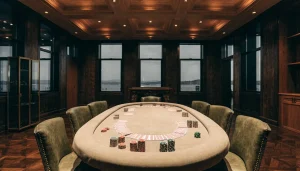
If you’re looking for poker at Adelaide Casino, confirm directly with the venue whether live poker is currently available. A search result, old event listing or forum post can linger long after arrangements change. I’ve learned not to treat a page that looks current as proof that a game is running. Check the venue’s own information before making plans, and ask specifically about poker rather than assuming a general gaming listing covers it.
The same goes for tournaments. Before travelling, verify whether one is scheduled for the date you have in mind and whether it is open to visitors. If details are published, check that they apply to the specific event, not a past tournament with a similar name. Event pages can be easy to misread when dates or conditions have changed.
A useful call or message should settle the practical points that affect your decision: whether there is a poker room or scheduled poker session, when players are expected to arrive, how registration works, and whether places are available. Ask about the game format and tournament structure, too. Those details can change the sort of session you’re signing up for. Don’t rely on a vague “poker is on” if you need to know whether there is a cash game, a tournament, or neither.
For a tournament, also confirm the entry conditions, how late registration is handled, what identification you need, and what happens if the event is changed or cancelled. If you are given a start time, check whether it means registration opens or play begins. That small distinction can save an unnecessary wait. Get the information from the venue’s current channels, and, if anything is unclear, ask for clarification before setting off.
If you’re checking whether the casino is open today, verify the venue’s current operating information separately from the poker schedule. A casino may be open while a particular poker game is not running; the reverse assumptions are just as unreliable. For a same-day visit, confirm the relevant opening hours and poker arrangements directly rather than treating a general listing as a live update.
There’s another detail I would not skip: work out what you can comfortably spend before you arrive, and treat that as the limit for the session. A tournament entry or a long wait between games can make it tempting to keep going when the plan has already stopped making sense. I’ve made that mistake. Don’t chase losses, and don’t increase your bets to try to get them back. A budget is a boundary, not a target you need to use up.
If staff confirm a tournament, keep the event details together: date, start or registration time, format, entry requirements and any change or cancellation information. If the listing and the venue’s answer differ, ask which one is current. That is more useful than guessing from an old post.
Poker availability and tournament schedules are the sort of details that can shift. Confirm them close to your visit, especially if poker is the main reason you’re going. A little checking first. Better than a wasted trip.
When I’m trying to work out what’s happening at Adelaide Casino, I don’t treat an old event listing or a confident social post as a current schedule. Venue programs change, and a page that still appears online may describe something that has already finished. I check the casino’s own current announcements and event information, then confirm the date and any entry conditions before making plans. A little dull, but it saves a wasted trip.
The same goes for entertainment. A venue can host different kinds of activity at different times, but that doesn’t mean a particular show, performance or event is on when you visit. Check the listing for what it actually promises, whether attendance needs a separate booking, and whether access is limited by age or other conditions. If the details are unclear, contact the venue before setting off rather than filling in the blanks yourself.
I’ve made that mistake with events elsewhere: I saw a listing, assumed it was still live, and planned around it. The listing was old. Not ideal.
Searches about the casino’s development can refer to very different things: a proposed change, work in progress, a completed project, or an older announcement being repeated. Those are not interchangeable. Look for a dated update from the venue or an authoritative public source, and check whether it describes a plan or a change that has actually happened. A headline alone is not enough to tell you what a visitor will encounter.
If a development announcement matters to your visit, confirm its practical effect directly. Don’t assume that a future proposal has already changed the venue, or that an older description still reflects current arrangements. I’d rather make one quick check than arrive with a picture in my head built from stale information.
“Open” can mean the venue is operating, a particular area is available, or an event is accepting visitors. “Reopening” points to a change of status, but the word may appear in old coverage long after the circumstances have moved on. For the current position, use the venue’s own latest notice or contact channel. Confirm the date and the part of the venue you intend to visit; a broad status statement may not answer both.
This is especially useful if you have seen an old closure or reopening notice shared without context. Don’t rely on the age of a search result or assume that a past announcement tells you today’s position. Check again close to your visit.
Employment interest is worth checking through the venue’s current careers information, rather than relying on a third-party listing that may no longer be active. A development or event announcement can prompt speculation about work, but it does not confirm that roles are available. Look for a live vacancy and its stated requirements, then use the application route given by the venue. No vacancy shown? That is not a promise that one is coming.
For general updates, keep the topics separate: event listings tell you what is scheduled, development notices describe changes, and careers pages cover recruitment. Each answers a different question. I check the source and date before treating any of them as useful. That small habit cuts through a lot of noise.
If you’re driving to Adelaide’s casino, treat parking as a detail to confirm before you set off, not an amenity to assume. Check the venue’s current information for the available arrangements, access points and any conditions that might affect your visit. I’ve learned the annoying way that a map pin answers where a place is, not where you can leave the car or how to get from the parking area to the entrance.
It’s also worth checking close to your visit: access arrangements can change, and a search result or old post may not reflect what applies now. If you’re comparing driving with public transport or being dropped off, use current directions from the venue and allow for the route that suits your plans. Don’t rely on an unverified claim about free parking, spaces or opening hours. Small detail. Big difference.
Legal Warning
The Interactive Gambling Act 2001 prohibits Australian-based operators from providing real-money online casino games to people in Australia.
The wording around “Adelaide casino online” can blur two very different things. A physical casino in Adelaide is a venue you visit in person. That does not make it an online casino, nor does a venue’s website turn its in-person gaming into an online service. Searches combining Adelaide with online casino terms may lead to offshore gambling sites, which are separate from the local venue.
The Interactive Gambling Act 2001 prohibits operators based in Australia from providing real-money online casino games to people in Australia. That includes online pokies and table games such as blackjack and roulette. In other words, the rules for an online service are not the same as the rules for visiting a physical casino. A name, logo or Adelaide reference on a website does not establish that it is an authorised local online casino.
Offshore sites are not regulated under Australian law, even though their status can be described as a legal grey area for players. That distinction is no endorsement: an offshore site is not the Adelaide venue, and a claim that it accepts Australian customers does not make it an Australian-regulated service. I don’t treat a polished page or familiar branding as proof of local oversight. Looks official; isn’t proof.
The same separation helps with searches for bingo, lunch or dining. Those are questions about what may be available at the physical venue, and current details should be checked directly with the venue. They don’t indicate that an online casino service is available. Keep the practical visit plan and any online gambling claims in separate boxes.
For a visit, confirm parking and access through current venue information before leaving. For online services, don’t assume that “Adelaide” in a site name means the operator is locally licensed or regulated. The words can look close. The legal position isn’t.
Looking for accommodation near Adelaide Casino is a different job from booking a room at the venue itself. You are comparing independent places to stay, then working out whether each one suits your plans. I would not treat a hotel’s use of “near” as a useful measurement on its own. Check the address on a map and decide whether the route works for you on foot or by your preferred transport.
Start with the exact venue location and the accommodation’s street address. Then check the route between them rather than relying on a label such as “city centre” or “close to the casino”. A place can sound nearby in a listing while still being inconvenient for your arrival time, luggage or return trip. The map is the boring bit. It matters.
Before you book, look at the total cost and the conditions attached to the rate. Confirm what is included, whether payment is due in advance, and what happens if you need to change or cancel. Read the terms on the booking page itself; a headline offer can leave important details further down. I’ve learned not to let a bright “deal” label do the reading for me.
Casino promotions and accommodation offers are not automatically the same thing. If a listing suggests a package, check who is providing it, what the offer actually covers and whether the dates you want qualify. A promotion mentioned on a third-party page may have changed or ended, so confirm it with the accommodation provider before making plans. Keep a copy of the booking confirmation and its conditions.
Think about your schedule as well as distance. If you expect to arrive late or leave early, ask the accommodation provider about its check-in arrangements and any steps required outside standard reception hours. If you need accessibility features, particular bedding or space for luggage, ask directly and get the answer in writing. A photograph can help you picture a room; it cannot confirm that the detail you need is available for your booking.
Reviews can help you spot recurring issues, but they are not a substitute for checking the current listing. Look for comments that address the things you care about: noise, cleanliness, service or how clearly the location was described. Read the date and context of a review before treating it as a reliable guide. One person’s “quiet” may mean something different from yours.
If you are comparing several options, keep a short checklist: address, route, full price, cancellation terms, arrival arrangements and any requested features confirmed directly. That makes it easier to compare like with like instead of choosing the listing with the most polished wording.
For accommodation around the casino, the useful question is not simply whether somewhere is close. It is whether the address, route, terms and practical arrangements fit your visit. Check those details before you commit. No guesswork.
I’ve learned not to treat an old listing as a promise. A phone number can change, a bar can have different hours, and a concert page can still appear in search results after the details have moved. Before making plans, use Adelaide Casino’s current official venue information and check that the page is for the date you have in mind.
For contact details, look for the venue’s own contact page rather than relying on a copied directory entry. If you need to speak to someone, confirm that the number is current and that it handles your particular question. A general contact channel may not be the right place for enquiries about an event, a bar or table-game availability. If the venue provides separate contacts or enquiry forms, use the one that matches your reason for getting in touch.
That small check saves a round of guesswork.
Bar searches can be just as vague. A listing that calls somewhere a casino bar does not tell you whether it is open when you plan to visit, whether entry conditions apply, or whether a special event changes access. Check the venue’s own current pages for opening information and any stated requirements. If something matters to your plans, ask directly rather than assuming a listing is up to date.
The same applies if you are looking for baccarat or craps. A game name appearing in a search result is not confirmation that it is currently offered, available at the time you visit, or operating under the conditions you expect. Contact the venue and ask about current availability before building an evening around it. I’d rather make one slightly awkward call than arrive with a plan based on an outdated page.
Concert information needs a date check, too. Confirm the event listing against the venue’s current information, then check the details that affect your visit: where the event is held, when doors open if stated, how entry works, and whether ticketing is handled through a separate provider. Keep your booking confirmation and any event updates together. A screenshot of a search result is a poor substitute if the listing changes.
If you are using a map, make sure it is the venue’s current map or an up-to-date mapping service, not an image copied into an old post. Maps can help you understand entrances and internal directions, but they do not confirm that a particular bar or gaming table is operating. For car-park arrangements, check the current practical information directly rather than inferring access or availability from a map pin.
A quick checklist before heading out:
“Open tonight” can mean less than it sounds. Check the detail.
Breakfast is one of those details I would verify before making plans around a casino visit. A result that mentions breakfast or a buffet does not tell you whether the offer is current, which days it runs, or whether it is open to the public. Check Adelaide Casino’s current venue information, or contact the venue directly, before setting off.
The same goes for a buffet breakfast. Confirm whether one is being served on the date you have in mind, what the service includes, and whether you need to book. If you are staying elsewhere, ask whether access is available to visitors who are not hotel guests. These small checks beat arriving hungry with a plan built around an old listing. Nothing fancy.
I would treat “casino resort” as a description to investigate, not proof that a particular package or facility is available. The phrase alone does not confirm a breakfast service, buffet, or resort-style arrangement. Check the current details for the specific offering you want rather than assuming that one label covers it all.
If you are looking at casino rewards, check the venue’s current information for the actual program and its terms. Don’t assume that a search result means a particular benefit is active or that it applies to breakfast or buffet dining. I’ve learned not to count a vague “member offer” as a saving until I know what it covers and what conditions apply. Read the wording, then decide whether it matters to your plans.
For anyone looking for work, the sensible starting point is the venue’s official careers information. Listings can change, and an old job page or third-party advert may not show whether applications are still open. Confirm that a role is current and that applications are being accepted before spending time preparing one.
Read each job description closely. Check the duties, required experience, employment conditions, and application instructions in the listing itself; don’t infer them from a short headline. If something important is unclear, use the contact route provided with the vacancy to ask before applying. The role title alone may not tell you what a shift or day-to-day work involves.
Job Search
Verify the employer named in a job advert through an official source, as not every role mentioned under "casino jobs" is employed directly by the casino.
Search results can also group different kinds of work under broad phrases such as “casino jobs.” That does not mean every role is employed directly by the casino or that every vacancy is based at the venue. Check the employer named in the advert and verify the listing through an official source. A familiar logo is not enough.
Whether you are planning breakfast or looking for work, current details matter more than a promising snippet. Check the date and conditions, and confirm anything that could change your decision directly with the venue. That is less exciting than a neat answer on a page. It is also how you avoid planning around something that is no longer offered—or applying for a job that has already closed.
When I’m planning a visit, I check the venue’s current official listing for its street address rather than relying on an old directory entry or a copied map pin. Search results can preserve outdated details, and a familiar-looking listing is not the same as confirmation from the venue. Check that the address matches the official Adelaide Casino information before setting off, then use a current map for directions. Simple, but worth doing.
The same goes for dress expectations. I wouldn’t assume that clothes accepted at one casino, bar or event will meet the rules at another. Look for the venue’s current dress guidance and any conditions for the area you plan to visit. If the wording is unclear, contact the venue before you leave. Turning up and discovering your outfit is not suitable is a needless hassle.
Spa searches need a little more caution. A page or search result using the phrase “casino spa” does not, by itself, confirm that a spa is operating at Adelaide Casino, or that it is available to visitors. Treat it as something to verify, not an amenity to build your plans around. Check the venue’s current information for whether spa services are offered, where they are located and how access works. If the venue does not clearly confirm those details, don’t assume they are available.
I use the same approach when checking what games are available on site: look for current venue information rather than relying on old posts or broad descriptions. The word “games” can cover different things, so confirm the specific activity you have in mind and whether it is available during your visit. Details can change; a page that has been copied around the web may not keep up.
Keep the checks separate. Confirm the address from an official venue source, read the current dress guidance, and ask directly about spa access or a particular game if the information is not clear. I’ve learned that a polished listing can sound definite while leaving out the one detail I actually needed. Check first.
Choosing a casino for Adelaide in 2026 means checking which details matter to you, such as licensing information, deposit minimums and payout methods. Use these brief verdicts as a starting point for your own checks.
JustCasino
JustCasino lists a licence from the Curacao Gaming Control Board. That is the specific licensing detail available here for you to consider.
Kingmaker
Kingmaker lists crypto payouts at around 90 minutes and fiat payouts in 1–5 days. Its minimum deposit is A$30.
SpinsUp
SpinsUp lists a Curacao Gaming Control Board licence, OGL/2023/174/0082, held by Dama N.V.
DragonSlots Casino
DragonSlots Casino lists a Curacao Gaming Authority licence held by Jumpman Gaming Ltd.
House of Pokies
House of Pokies lists an international iGaming licence, but the jurisdiction is not named in the available information. PayID payouts are listed at 1–24 hours; the minimum deposit is A$30, or A$10 with PayID.
Bizzo Casino
Bizzo Casino lists a Curacao Gaming Control Board licence held by TechSolutions Group N.V.
LevelUp Casino
LevelUp Casino lists a Curacao eGaming licence, OGL/2023/174/0082, held by Dama N.V. Its minimum deposit is A$15.
Golden Pokies
Golden Pokies lists Curacao as its licensing information. That is the specific detail available here for you to consider.
SkyCrown
SkyCrown lists a Tobique Gaming Commission licence. Its listed payout times are around 10–15 minutes for crypto and 1–5 days for fiat; the minimum deposit is A$30.
Ricky Casino
Ricky Casino lists crypto payouts in under an hour and PayID payouts in 1–3 business days. The minimum deposit is A$20, or A$30 to qualify for the bonus.
When I’m looking at dining at Adelaide Casino, I try not to let a polished photo do the deciding. A restaurant listing can change, and a page that once showed a particular menu or service may no longer reflect what’s available. I’d check the venue’s current dining information before making plans, then confirm anything that matters directly with the venue.
That sounds obvious. I’ve still turned up expecting one thing after relying on an old listing. Not ideal.
For anyone comparing restaurants at Adelaide Casino, start by establishing what is actually operating and whether it is open to visitors on the day you plan to go. Check the venue’s own current information for the restaurant name, service hours, booking arrangements and any entry conditions. If those details are unclear, contact the venue rather than treating a third-party directory or an old review as confirmation.
Menus deserve the same caution. If you have a particular dish, dietary requirement or budget in mind, ask whether the current menu can accommodate it. Photos and archived menus can be useful for getting a general feel, but they are not a promise that a dish is still served. I’d also confirm whether a booking is recommended and what happens if your plans change. Small checks, less guesswork.
The phrase “dining at the casino” can mean different things: a meal inside the venue, a restaurant nearby, or simply somewhere convenient before or after a visit. Keep those separate when comparing options. For a restaurant near Adelaide Casino, check its location and opening details independently; the word “near” in a listing does not tell you how convenient the route will be for your plans.
If you’re weighing up several Adelaide Casino restaurants, compare the practical details rather than relying on a broad label such as “fine dining” or “casual”. Look at the current menu, booking information and the kind of meal you want, then verify anything time-sensitive. I wouldn’t assume that every listing refers to a restaurant inside the casino itself.
The same applies if you have seen references to a rooftop dining option. Treat that as a detail to confirm through current venue information, not as a feature to build your evening around before checking. A name or photograph alone doesn’t establish what is operating now.
I’d make the final decision only after confirming the restaurant’s current status and the details that matter to me. That keeps the plan grounded in what the venue says now, rather than what an old page suggests. No guesswork.
When I’m trying to work out whether I can grab something to eat at a venue, I’ve learned not to treat a search result as a current menu. The same goes for Adelaide Casino: broad food information may help you understand what to ask about, but it doesn’t confirm that a food court is operating or that a particular option will be available when you visit.
If you’re hoping for a food-court-style choice, check the venue’s current information directly before making plans around it. Look for details that identify the exact area, its opening status and any conditions on access. A page that mentions food in general is not proof of a food court. A stale listing is even less useful. Easy mistake.
For a specific meal, check the casino’s current dining information instead of assuming every food option is open at the same time. That is especially worth doing if you have a narrow window or a particular requirement. I’ve been caught out by assuming a place would be serving when I arrived. I’d rather spend a minute checking than build the evening around a guess.
The pool question needs the same careful treatment. A pool may appear in broad venue descriptions or alongside accommodation-related information, but that doesn’t establish that Adelaide Casino has a pool available to visitors. Confirm whether a pool exists at the venue, who can use it, and whether access is tied to a particular booking or arrangement. Don’t infer access from a photograph or a third-party listing.
Keep the checks specific: food options, food-court access and pool access are separate questions. If the venue’s own current information does not answer one of them, contact the venue before setting out. That way, you’re planning around something confirmed rather than an attractive assumption. No guesswork.
Check the pokie’s RTP and the wagering conditions attached to bonuses. RTP describes the theoretical share of wagers paid back over a very large number of spins, while free-spin winnings commonly have wagering requirements before you can withdraw them.
Online pokies use a Random Number Generator (RNG) to determine each spin, and spins are independent of one another. RTP is a theoretical payout percentage calculated over a very large number of spins.
A VPN can make your digital location appear to be in another country, but a casino or software provider may still restrict access under its licensing rules. Offshore platforms are not regulated under Australian law.
NetEnt’s progressive jackpot games, including Mega Fortune and Hall of Gods, were blocked from Australia. NYX Gaming/Next Gen titles including Foxin’ Wins and Doctor Love were also region-blocked.
Yes. Online pokies use a Random Number Generator, and each spin is independent, so previous results do not affect the next outcome.